Published May 18, 2026
The OVERDEVELOPMENT of Greenville, South Carolina

Navigating the Growth: An Honest Look at Upstate South Carolina Real Estate
If you have ever spent even a few minutes scrolling through a Greenville Facebook group, you have undoubtedly seen the passionate comments from locals declaring that the area is completely full and begging newcomers to stop moving here. As real estate professionals, we hear this sentiment constantly, and it points to a very real, growing frustration across our community. However, if you look a little closer, the frustration is rarely about the new residents themselves. Instead, it is about rapid land development that seemingly lacks a strategic plan or the necessary infrastructure support to handle the influx.
When we talk about the Greenville market, we are really talking about the entire booming Upstate South Carolina region, including high-demand suburbs like Greer, Taylors, and Simpsonville. Over 80,000 people relocated to South Carolina last year alone, and every single one of those individuals needs a place to live. This massive population shift leaves us with a clear choice: we either continue to build new construction homes to meet the demand, or our local housing inventory shrinks so drastically that real estate prices skyrocket out of reach for everyday buyers.
The Reality of New Construction and Infrastructure Challenges
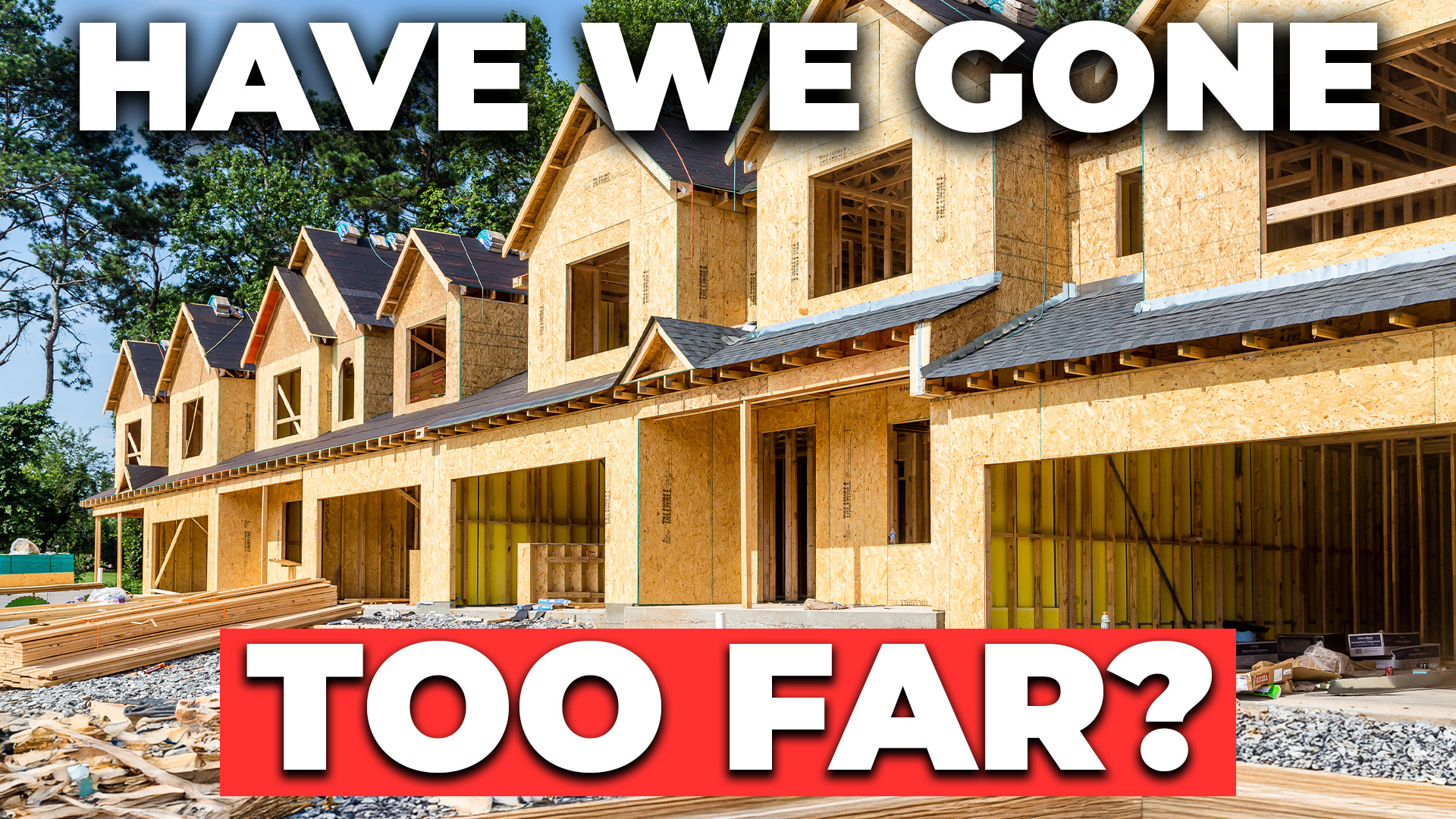
While there is plenty of physical land available across Greenville County, Spartanburg County, and Anderson County, the speed of development is causing some notable growing pains. Major builders like D.R. Horton and Dan Ryan Builders are keeping busy, but many of the new neighborhoods feature repetitive, cookie-cutter floor plans that have created a sense of visual discontent. Concurrently, infill builders are placing ultra-modern, high-end houses directly in the middle of established rural areas, such as older ranch-home neighborhoods in Easley. This architectural shift is a visible marker of widespread gentrification, a process that is actively transforming the entire Upstate.
The more pressing issue for buyers, however, is when builders prioritize speed over quality land preparation. For instance, homeowners in the Braxton Ridge subdivision in Fountain Inn recently faced a new construction nightmare when poor grading turned their properties into muddy, flooded zones after heavy spring rains. Similar grading oversights in Spartanburg have caused previously bone-dry basements to suddenly take on water simply because the land behind them was developed incorrectly. Beyond water management, fast-tracked developments popping up right next to major interstates bring unexpected sound issues, while homes built closer to the mountains require careful testing for environmental factors like radon gas. To prevent these issues, our local county governments must ensure they employ highly skilled inspectors who can rigorously approve these massive communities every step of the way.
Gentrification and the Evolution of Our Communities
Gentrification is a natural byproduct of a city’s lifespan, and Greenville has been evolving ever since its textile mill boom in the 1800s. Today, we see this acutely in areas like downtown Greenville, which has completely transformed over the last decade. Ten years ago, a buyer could purchase a lot close to the city center for around $60,000; today, that exact same piece of land features a $1.2 million home situated just a ten-minute walk from downtown attractions. While this dramatic appreciation delights long-term property owners, it simultaneously pushes out many residents who can no longer afford the rising cost of living in their own neighborhoods.
This pricing surge is not isolated to the city limits. In Travelers Rest, a highly popular relocation destination where starter homes used to cost under $90,000, standard thousand-square-foot homes in neighborhoods like Sunny Slopes and Sunny Acres are now fetching between $250,000 and $350,000 with minimal upgrades. While the local government has done a decent job adding parks and new grocery options, certain pockets of downtown Greenville remain technical food deserts. True sustainable growth requires a "people first" approach where affordable grocery chains, urgent cares, and community parks are established alongside luxury developments. Furthermore, public infrastructure must keep pace, as seen in Piedmont where residents are actively pushing for necessary road widening and pothole repairs to support a massive proposed 300-home subdivision.
Protecting Your Home Resale Value in a Shifting Market
The reality that many real estate agents hesitate to share is that the current Upstate market is in the middle of a prolonged five-to-ten-year shift. Because we are currently in a very flat market cycle, buying a brand-new construction home right now carries a unique set of risks. In fact, we have helped multiple clients who needed to relocate quickly and were forced to sell their recently purchased new construction homes for less than their original purchase price. When a market flattens, buying a brand-new home can mirror the depreciation of buying a brand-new car if you try to sell it too quickly.
This does not mean you should avoid buying a home in Upstate South Carolina; it simply means you must build a smarter, more calculated strategy. If you plan to remain in your home for at least five years, purchasing new construction remains an excellent investment. However, if your timeline is shorter, you should aim to buy a home in a neighborhood that is entering its very final phases of construction rather than buying into phase one, which saves you from competing with the builder's future phases when it is time to sell. Alternatively, existing homes in the Upstate have continued to appreciate steadily and offer a safer shield against short-term market fluctuations. Partnering with a dedicated real estate team ensures you look beyond the initial excitement of a beautiful house and fully understand the infrastructure, resale outlook, and long-term viability of your chosen neighborhood.