Published May 18, 2026
3 Reasons Greenville, SC will be a BIG CITY by 2030

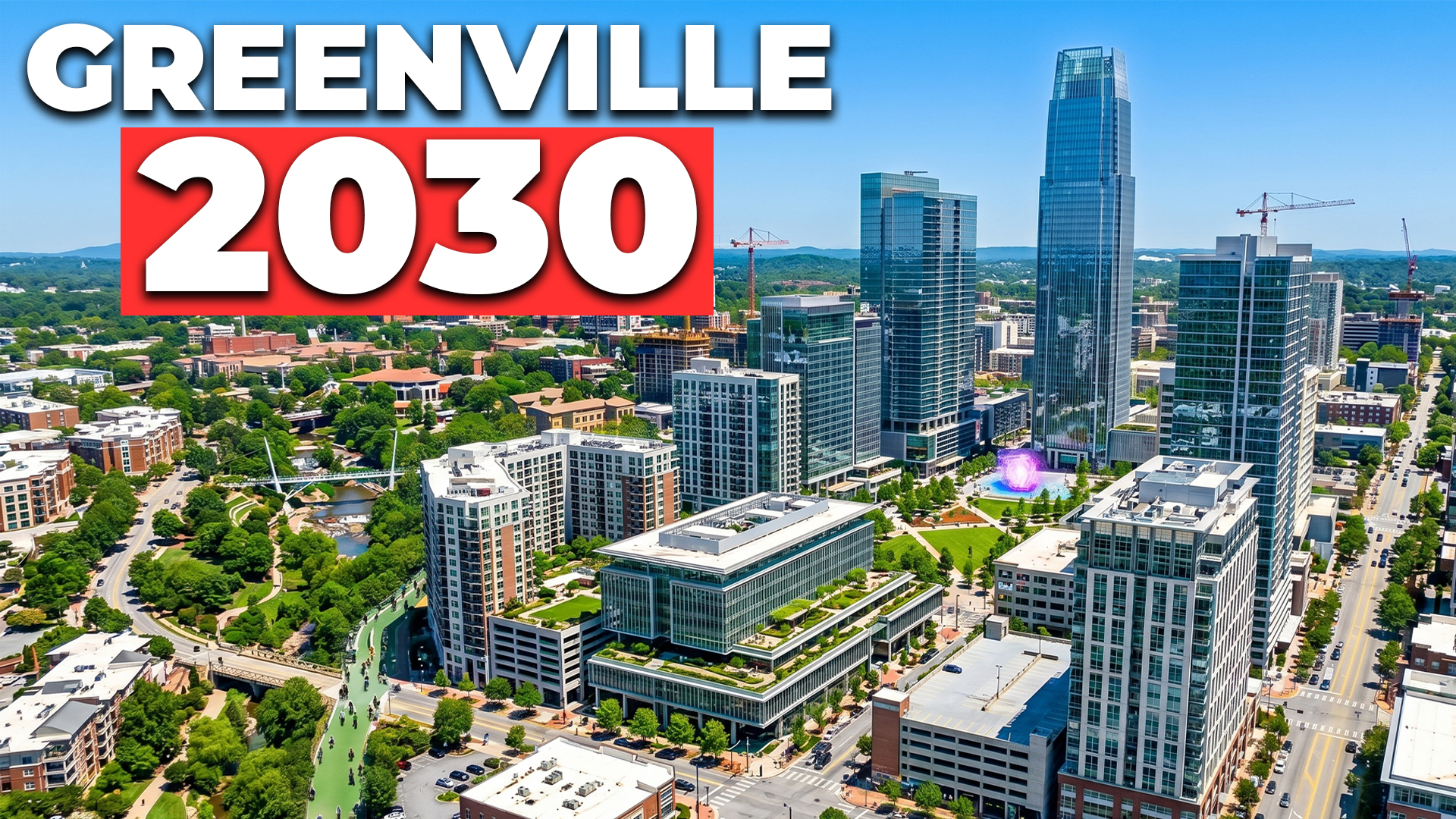
Discover the Massive Downtown Developments Shaping Greenville, South Carolina Real Estate
Greenville, South Carolina is officially no longer a small town. Driven by a massive population influx, the Greenville metro population recently exceeded one million people, triggering an unprecedented wave of urban expansion. For anyone looking to invest in Upstate South Carolina real estate, relocate to the area, or sell a local property, understanding these changes is essential. Major entertainment enhancements and multi-billion-dollar construction undertakings are actively reshaping the city center, which directly impacts neighborhood desirability and long-term property values.
Expanding Entertainment Infrastructure and the Peace Center Campus
As the region grows, local infrastructure has adapted to support mid-size venues capable of attracting prominent national artists and performers. This cultural expansion is anchored by the Peace Center campus, which has dramatically upgraded its entertainment lineup through its AMP project. Joining established staples like the Peace Center Hall, Gunter Theater, and the Pavilion, the campus features highly intimate spaces like The Mockingbird, a seated venue accommodating fewer than 200 guests with a beautiful backdrop of the Reedy River. The campus also includes an immersive performing arts education studio and the Coach Music Factory, which offers an 1,100-person capacity to bridge a historic gap in the local music scene.
Additional entertainment milestones are popping up across the city center. Construction is moving forward on Trueline, a versatile venue featuring three distinct event spaces ranging from intimate rooms to a substantial 7,000 standing-room capacity. Furthermore, the upcoming South Carolina Hall of Fame plans to deliver a brand-new museum, music venue, and professional recording studio directly to the city. These mid-size community spaces satisfy a booming local hunger for live entertainment, making downtown a premier lifestyle destination for residential buyers.
Transforming the City Gateway and the Bon Secours Wellness Arena Corridor
The literal entryway to the city center is receiving a historic makeover via the highly anticipated Gateway Project, transforming a high-profile lot that has sat empty since the 1990s. Situated right where travelers arrive into downtown off Interstate 385, developers are actively prepping this location for a stunning 29-story residential high-rise. This project will deliver 327 modern residential units alongside 8,500 square feet of ground-level commercial space. Acting as a critical geographic bridge between the local sports arena and the heart of downtown, the city is providing up to $7.25 million in public improvement reimbursements to fund an outdoor plaza, a public art gallery, upgraded landscaping, new sidewalks, and modernized utility infrastructure.
Directly adjacent to this new gateway tower, the iconic Bon Secours Wellness Arena is wrapping up necessary functional and aesthetic enhancements. To support increasingly larger events, the arena expanded its back-of-house operations by 18,000 square feet, which included adding two additional loading docks, dressing rooms, and flexible production spaces. Crucially for downtown curb appeal, renovations are prioritizing a modernized facade for the arena. Because this venue is the very first sight welcoming visitors arriving off Interstate 385, improving its visual presence establishes a beautiful first impression for the entire city corridor while elevating nearby property values.
The Billion-Dollar County Square Master Plan Doubling Downtown
The most profound transformation in the Upstate is the massive, billion-dollar redevelopment of the old Greenville County Square site. Though casual observers might think progress has been quiet, developers have spent the last few years executing extensive horizontal site preparation. Crews demolished the obsolete, sprawling government complex, scraped the expansive former parking lot, and systematically installed completely new utility lines and foundational infrastructure. While the sleek new seven-story county administration building and its parking deck are already fully operational, the remaining acreage is poised to effectively double the geographic footprint of downtown Greenville.
Bounded by Augusta Street near Fluor Field to the west, Church Street to the east, and the Governor’s School next to Falls Park to the north, this highly anticipated master-planned community will establish a true walkability hub. Rather than single-family detached homes, the development layout focuses entirely on an urban, high-density environment utilizing modern five-plus-one mid-rise buildings. These buildings will integrate ground-floor commercial businesses beneath five stories of residential apartments and condos. To preserve the signature green space of the Upstate, the final footprint will weave together a diverse mix of office, retail, hospitality, and institutional spaces connected by two grand public plazas, three designated dog parks, and multiple multi-use trail systems tying directly into the surrounding city.
Navigating the Dynamic Greenville South Carolina Housing Market
This immense level of urban investment signals that the local real estate market remains incredibly robust, but navigating these rapid changes requires an experienced, strategic approach. Working alongside a trusted local real estate team ensures you can accurately identify which up-and-coming neighborhoods stand to benefit the most from these major infrastructure expansions. Whether you are browsing homes for sale near the historic Swamp Rabbit Trail, looking to purchase a luxury downtown condo, or aiming to maximize profits when selling your current Upstate property, having dedicated representation is the key to timing the market perfectly. When you are ready to plan your next successful real estate move in this booming metro area, reach out to connect with a neighborhood expert who can help you capitalize on Greenville's historic growth.